


You Left the AI Workshop Inspired. Then Nothing Changed. Here's Why.

Dennis Kriel • June 15, 2026

Share this article

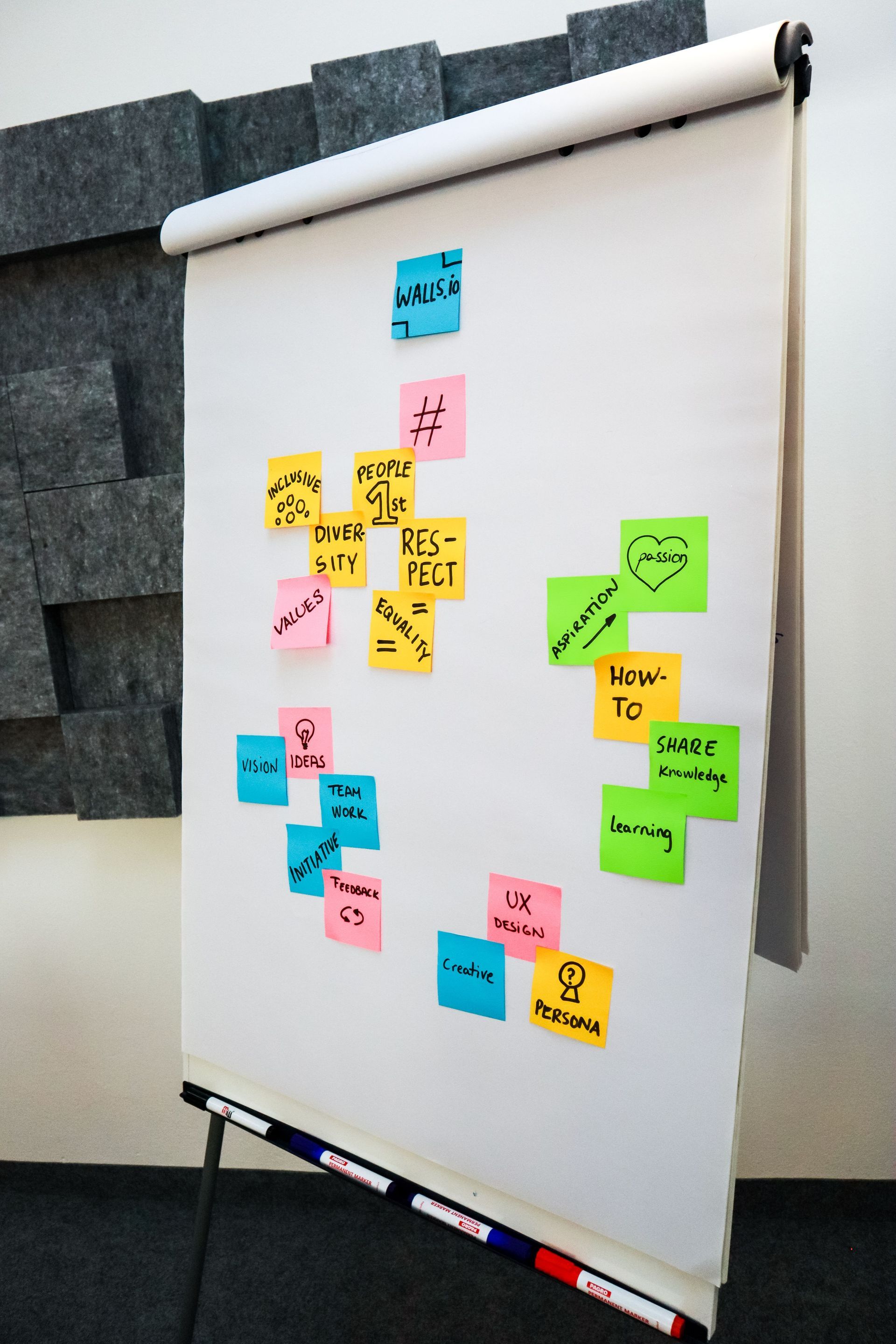
I have had this conversation more times than I can count. A founder comes back from an AI event. They are energised. They have a list of tools, three pages of notes, and a genuine sense that this time, things are going to be different.

Six weeks later, the notes are buried in a folder. The tools were tried once. The team is still working the same way it was before the event. And the founder is quietly wondering whether AI is actually as applicable to their business as everyone says it is.

The problem is not the workshop. The problem is what workshops are designed to produce: inspiration. And inspiration is not the same thing as implementation.

What AI Training Is Actually Selling

Most AI training, at its core, is selling a feeling. The feeling that the future is accessible. That this technology is not as intimidating as it looks. That you, too, can use it to transform your business. These are not dishonest feelings to create. They are necessary ones. You cannot get someone to act on something they fear or dismiss.

But the moment the training ends, those feelings begin to decay. The brain returns to familiar patterns. The inbox is full. The team has questions. The operational pressure of running a business reasserts itself and the clarity you felt in the room begins to blur at the edges.

This is not a character flaw. It is a design flaw. Most training is built to educate and motivate, not to change operational behaviour. And those are genuinely different things.

The Decision That Training Cannot Make for You

Here is what actually changes behaviour in a business: a decision. A clear, specific, committed decision about what is going to be different, by when, and who is responsible for it. Not a general intention. Not a vague aspiration to "use AI more". A decision with a name on it and a date attached to it.

Training can inform that decision. It can give you the vocabulary, the context, and the confidence to make it. But it cannot make it for you. And most training does not even create the space to try. You are busy absorbing information when you could be making the one call that would actually change things.

I have watched highly capable founders sit through full-day AI workshops and come away without a single clear decision about their own business. Not because they were not listening. Because no one stopped the content long enough to ask: given everything you have just heard, what are you going to do differently on Monday?

That question is not a nice bonus at the end of a programme. It is the point. Everything else is context.

The Difference Between Knowing and Doing

There is a version of AI literacy that is genuinely dangerous. Not because the knowledge is wrong, but because it creates a false sense of progress. You know what a large language model is. You have played with ChatGPT. You understand the concept of prompt engineering. You feel informed.

But informed is not the same as operational. And in business, what matters is not what you know. It is what you have changed.

The leaders I see making real progress with AI are not necessarily the most knowledgeable ones. They are the ones who picked a specific problem in their business, chose a specific tool or approach, implemented it imperfectly, learned from the friction, and then did it again. The knowledge followed the doing. Not the other way around.

There is a compounding effect to this. Each small implementation teaches you something a workshop cannot: what this technology actually feels like inside your specific business, with your specific team, serving your specific clients. That is irreplaceable data. And you only get it by doing.

One Question Before You Book the Next Event

I am not suggesting you stop learning. I run AI training myself, and I believe deeply in it. What I do insist on is that learning must be in service of doing. Not a substitute for it.

Before you register for the next AI summit, workshop, or masterclass, ask yourself one question: what did I do differently as a result of the last one?

If the answer is "not much", the problem is unlikely to be that you need more information. The problem is more likely that you have not yet made a decision about where AI fits in your specific business, with your specific team, in your specific season of growth.

More inspiration applied to an unmade decision produces more motivation to delay. Less inspiration, one clear decision, and a committed first step will outperform it every time.

What is the one area of your business where you already have enough information to act, but have not yet made the call?

Recent Posts

By Dennis Kriel June 13, 2026
A founder's account of removing AI from sales outreach after discovering it was winning the opening and losing the sale. What the numbers could not capture.

By Dennis Kriel May 30, 2026
Most businesses struggle with AI because their leader hasn't made a clear decision about what to change. Dennis Kriel explains why AI adoption is a leadership problem, not a technology problem.

By Dennis Kriel May 22, 2026
Most founders want to simplify. Not one of them finds it easy. Here is why simplicity requires more discipline and harder decisions than adding complexity ever does.

By Dennis Kriel May 20, 2026
Most leaders stall at AI implementation not because of the technology but because of scope. Here's what real implementation looks like in practice, and how to pick the right place to start.
By Dennis Kriel May 4, 2026
The Memory Revolution: Why AI That Remembers Is a Different Game Altogether Persistent AI memory isn't a feature — it's a different paradigm. Here's what's changing, why it matters, and what to do about it in the next six months.
By Dennis Kriel April 30, 2026
The Agentic Era: Why Your Next Best Employee Might Not Be Human
April 16, 2026
Most businesses celebrate one AI win and then plateau. The Evolve step of the GUIDE Framework is where you build the internal habit of continuous improvement so your AI capability compounds over time.
April 14, 2026
Implementation gets AI started. Development makes it last. Learn why building capability in your people matters more than adding the next tool.
April 14, 2026
Most businesses implement AI once and stop. The Develop stage of the GUIDE framework is where implementation becomes lasting capability. Here is what that looks like in practice.
April 13, 2026
Most founders leave AI training inspired. Then nothing changes. Step 3 of the GUIDE framework is where inspiration must become a specific, measurable change — or quietly die.
Show More